Restore your 1950s family photographs
Post-war suburban life, holiday snaps, weddings, christenings, and family portraits — restored to their original look or sympathetically colourised.
From 10 credits ($1.00) per photo · 12-month validity
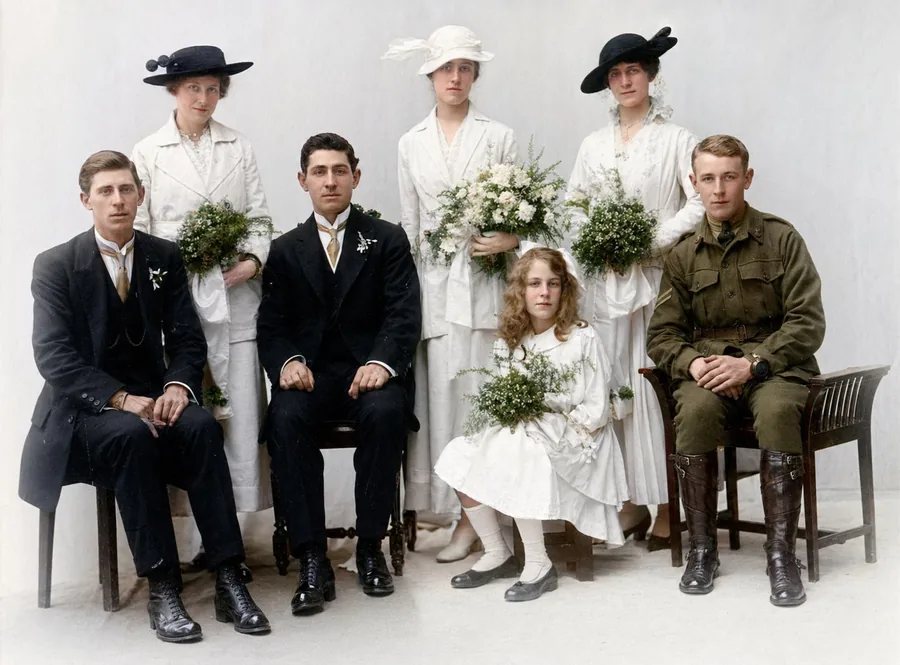
The 1950s gave families their first big wave of everyday photography — box-camera snapshots of new houses, first cars, backyard birthdays and Sunday best. Most were printed small with deckled edges, and seventy years on they have yellowed, faded and picked up silverfish damage in storage. Our AI brings back the mid-century clarity and, if you choose colourisation, the pastel palette the decade actually lived in.
How it works
From upload to download in three simple steps.
1. Upload
Upload a JPG, PNG or WebP up to 10 MB. The clearer the original scan, the better the result.
2. AI processes
Our AI analyses your photo and applies the appropriate model. Most jobs finish in under a minute.
3. Download
Compare before / after, then download the high-resolution result. Your originals are never used to train AI models.
See the difference
A faded family scan repaired and colourised by Photo Repair Lab — no slider tricks, just the real result.
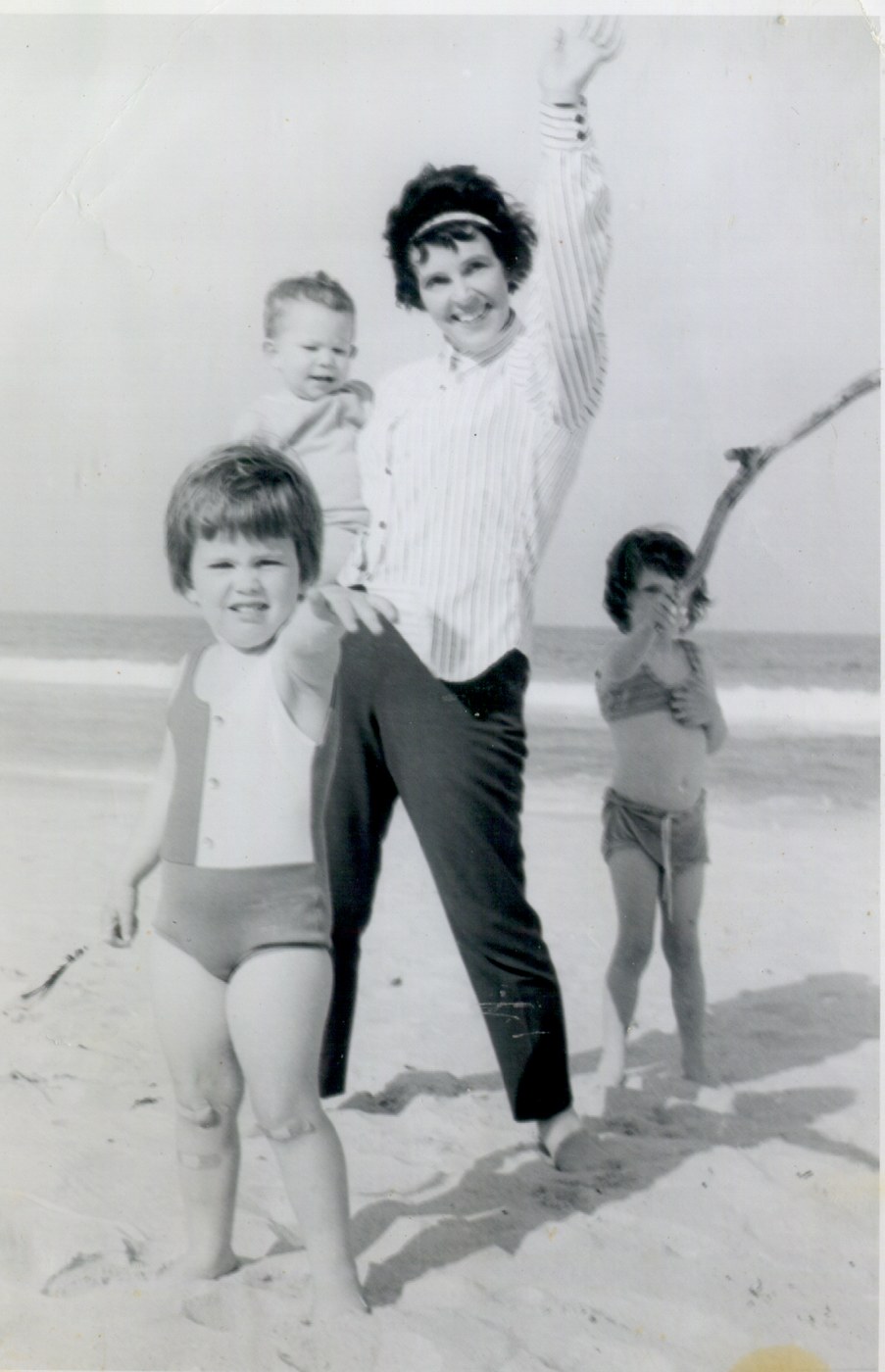 Original
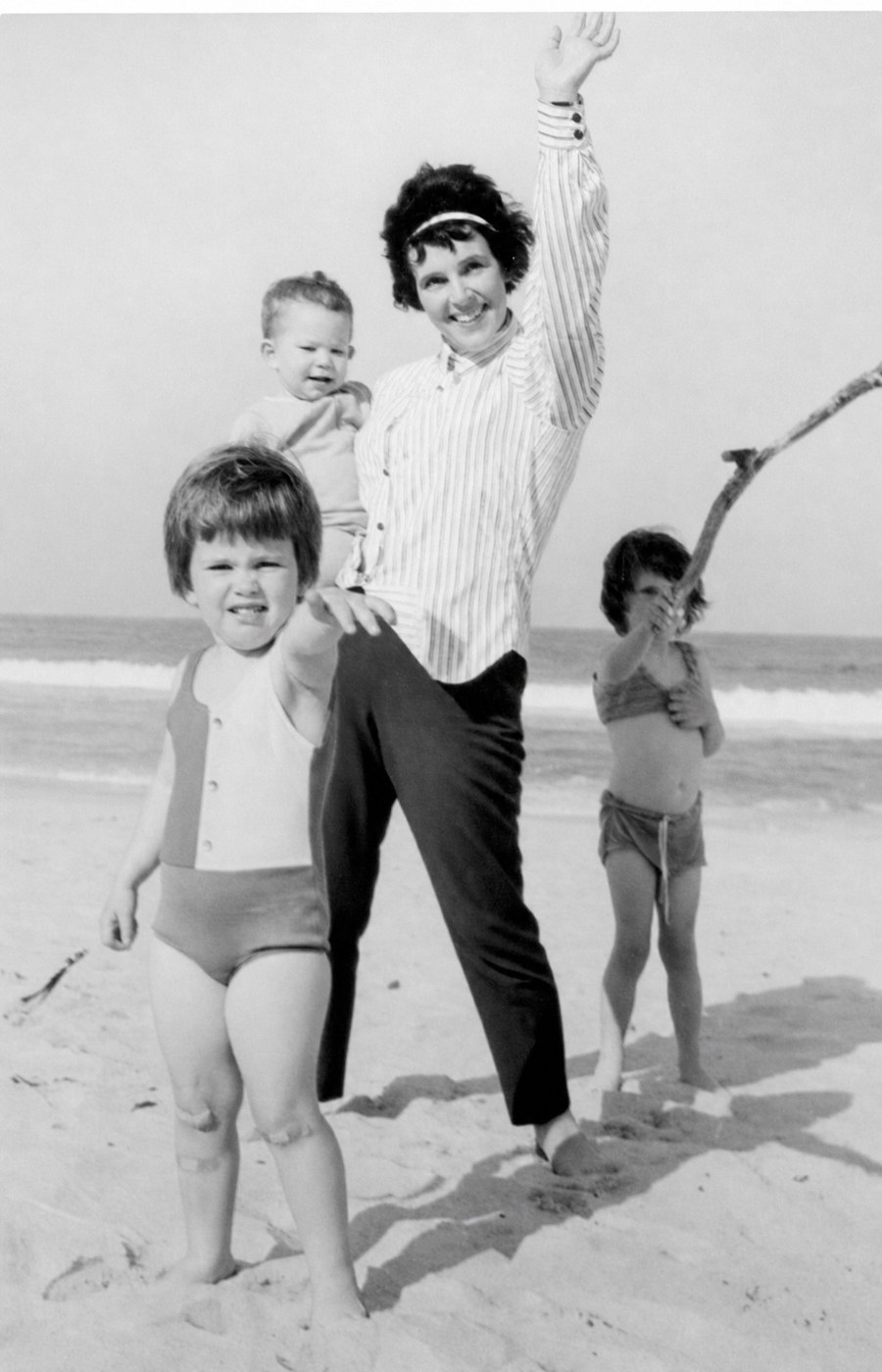 Restored
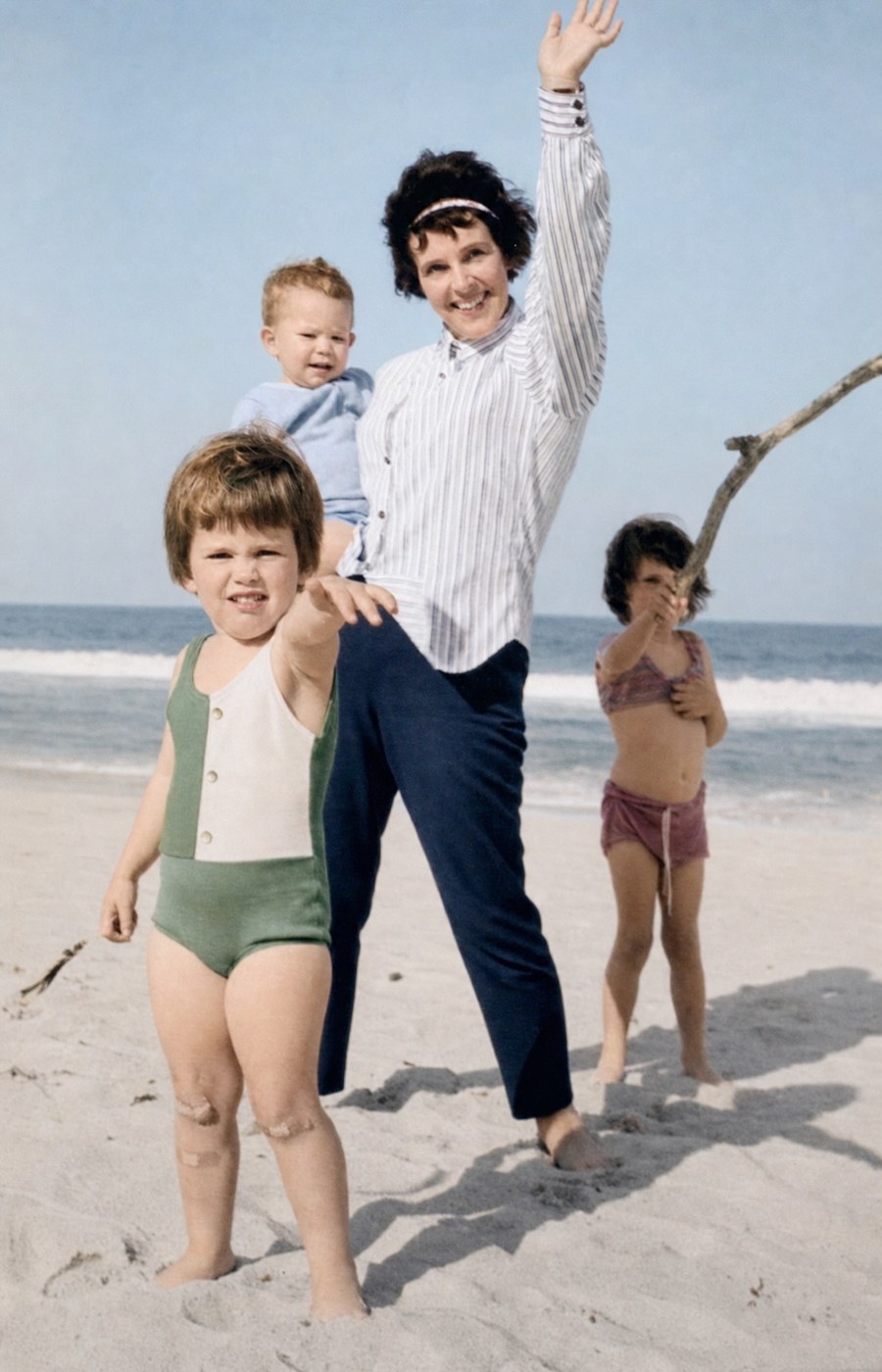 Restored & Colourised
The decade that defined family photography
By the 1950s, photography had become a fully domestic activity. Kodak Brownies, Box Hawkeyes, and the new Kodachrome colour film created the visual archive that most modern families inherit. Black-and-white prints from this decade are typically well-exposed but suffer the universal problems of age: yellowing, fading, scuffs, and the cracked-emulsion "alligator skin" pattern from poor storage.
Early Kodachrome slides are a special case — they hold colour remarkably well (Kodachrome 25 prints made in 1955 still look vivid today), but the cardboard mounts warp, and dust and fungus accumulate inside the slide. Scan slides at 4000 DPI and Standard Restoration will lift them to printable quality.
Should I colourise 1950s black-and-white?
The 1950s overlapped with the consumer transition to colour, so it can feel jarring to colourise a black-and-white print from the same year you have colour prints of. Our recommendation: keep black-and-white prints in black and white, and use restoration to repair damage rather than convert the image. Use colourisation for earlier-era photos where no colour reference exists.
Frequently asked questions
You might also need
Complete the project
Restoration is usually step one. Here’s what most people do next.