Restore WWII-era photographs
Service portraits, deployment snapshots, V-mail, and 1940s family photographs — restored with care and optionally colourised to honour the people in them.
From 10 credits ($1.00) per photo · 12-month validity
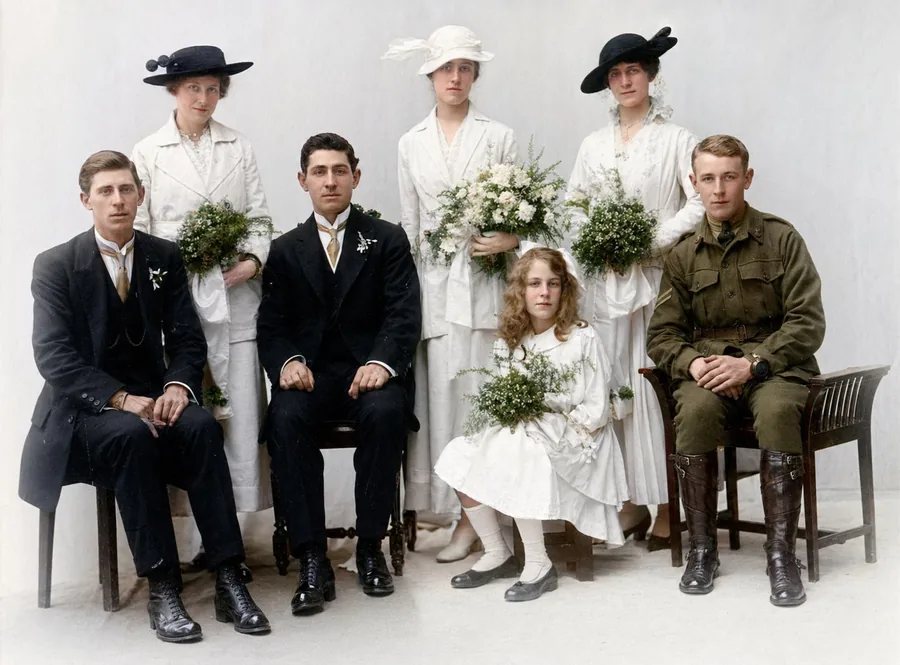
Wartime photographs were developed quickly, printed on whatever paper was available, and carried in wallets, kit bags and breast pockets across the world. Eighty years later they arrive to us creased, foxed and softened — but they are often the only image a family has of a serviceman or servicewoman. Our restoration treats them with the respect they deserve: damage repaired, faces recovered, uniforms and insignia kept accurate, nothing invented.
How it works
From upload to download in three simple steps.
1. Upload
Upload a JPG, PNG or WebP up to 10 MB. The clearer the original scan, the better the result.
2. AI processes
Our AI analyses your photo and applies the appropriate model. Most jobs finish in under a minute.
3. Download
Compare before / after, then download the high-resolution result. Your originals are never used to train AI models.
See the difference
A faded family scan repaired and colourised by Photo Repair Lab — no slider tricks, just the real result.
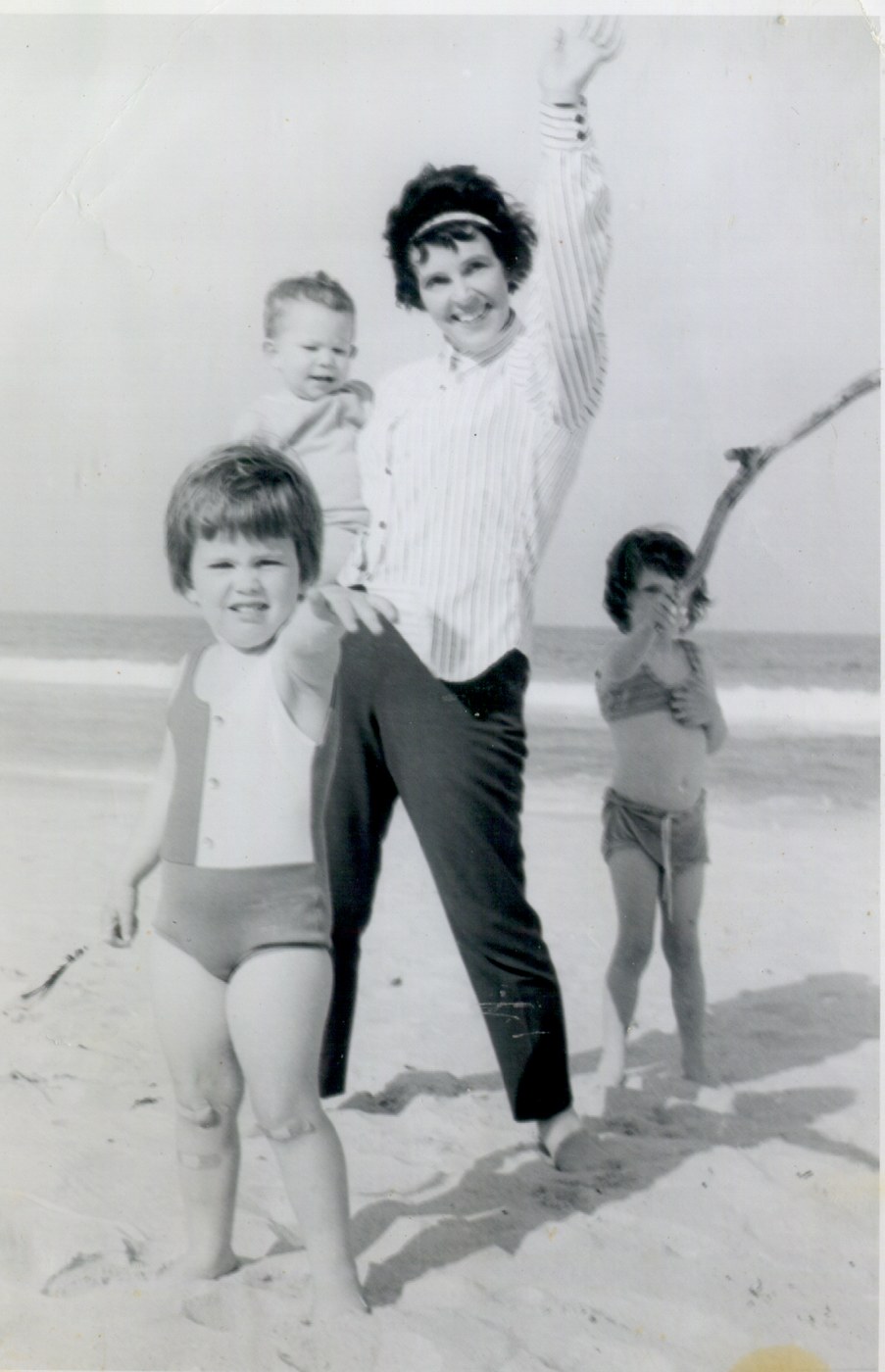 Original
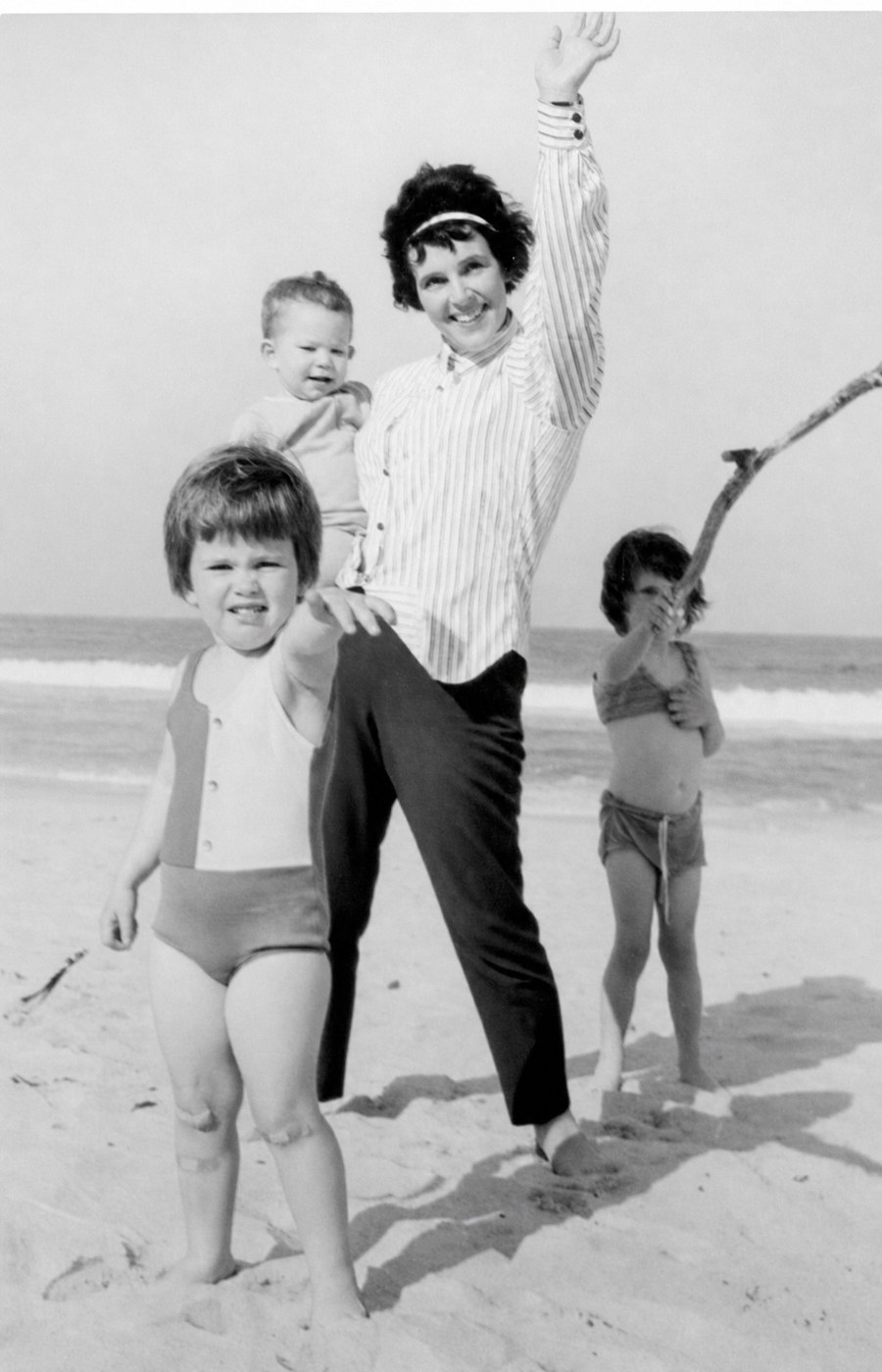 Restored
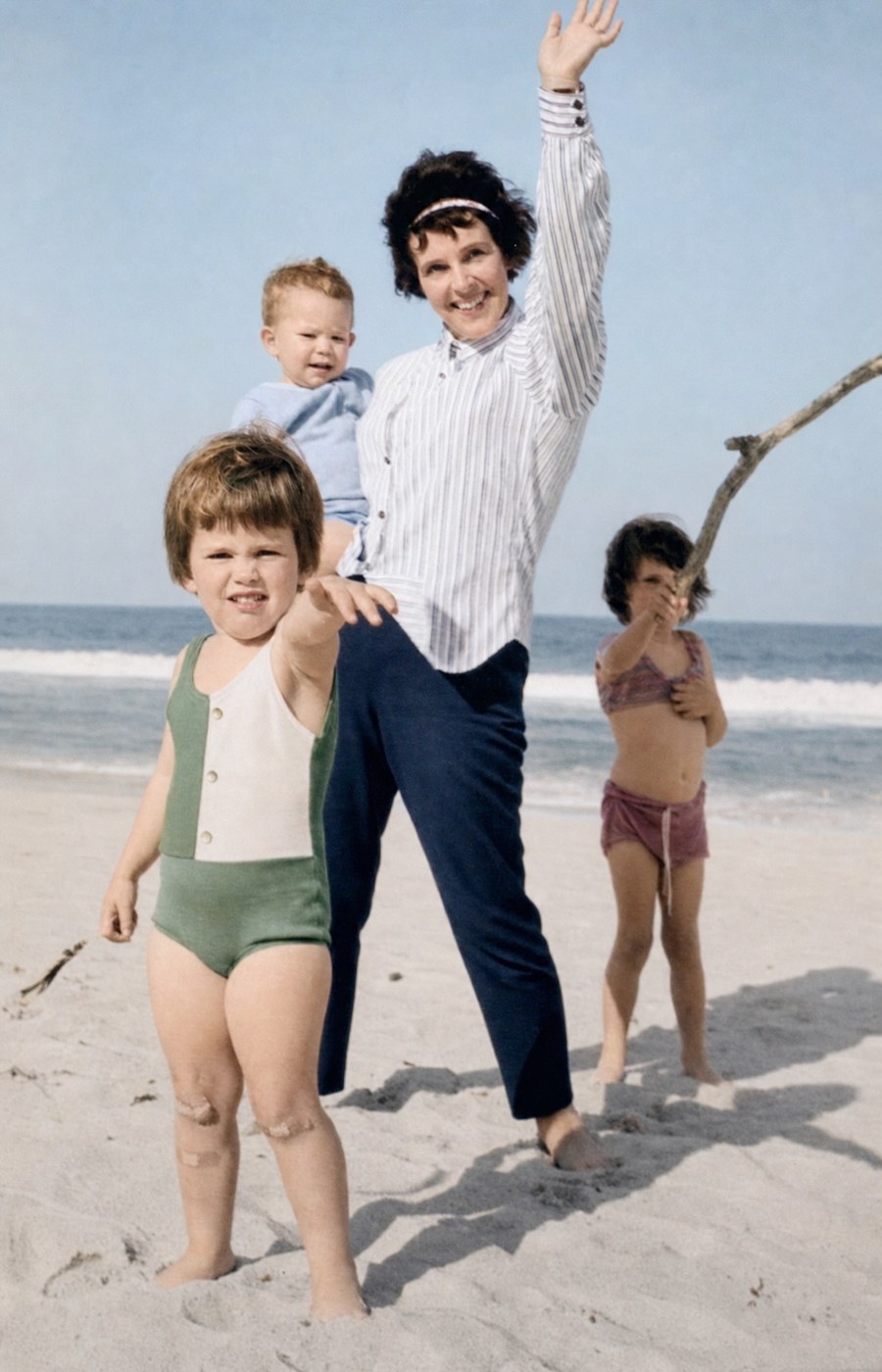 Restored & Colourised
Wartime photographs deserve careful restoration
WWII-era photographs are often the only surviving images of relatives who died young or were never photographed again. They were also printed on whatever paper was available during wartime rationing — typically thin, low-quality stock that has aged badly. Service portraits from US, UK, Australian, Canadian, and Allied forces tend to share the same set of issues: low contrast, severe yellowing, surface scratches from being carried in wallets, and creases from being folded into V-mail.
Our restoration handles all of these problems while preserving uniform insignia, rank badges, and unit markings — details that matter to descendants researching military service history. We do not "tidy up" features that look like damage but are actually authentic (service ribbons, regimental flashes, censorship stamps).
Colourise carefully — or not at all
Many descendants prefer wartime photographs left in black and white as a mark of respect. Use Standard or Conservative Restoration to repair damage while keeping the original tone. If you do want colour, Comprehensive Restoration applies period-accurate uniform colours (khaki, navy blue, RAAF blue-grey) and natural skin tones suitable for printing and framing.
Frequently asked questions
You might also need
Complete the project
Restoration is usually step one. Here’s what most people do next.