Restore ancestor photographs
Cabinet cards, tintypes, sepia portraits, and the early-20th-century family group photographs that anchor a genealogy project — restored without losing the period feel that makes them valuable.
From 10 credits ($1.00) per photo · 12-month validity
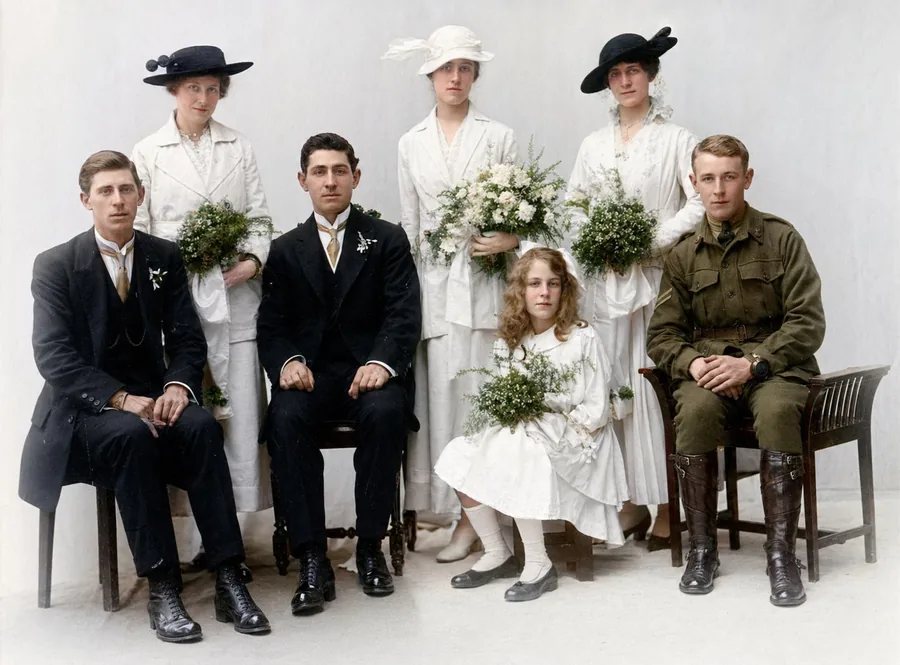
Family historians accumulate photographs the way other researchers accumulate documents — and every one of them is evidence. A restored photo can settle which brother is standing at the back, what a farmhouse looked like before the extension, whose eyes the new baby has. Our restoration is built for genealogy work: faithful to the original, careful with faces, priced so you can restore the whole archive rather than a chosen few.
How it works
From upload to download in three simple steps.
1. Upload
Upload a JPG, PNG or WebP up to 10 MB. The clearer the original scan, the better the result.
2. AI processes
Our AI analyses your photo and applies the appropriate model. Most jobs finish in under a minute.
3. Download
Compare before / after, then download the high-resolution result. Your originals are never used to train AI models.
See the difference
A faded family scan repaired and colourised by Photo Repair Lab — no slider tricks, just the real result.
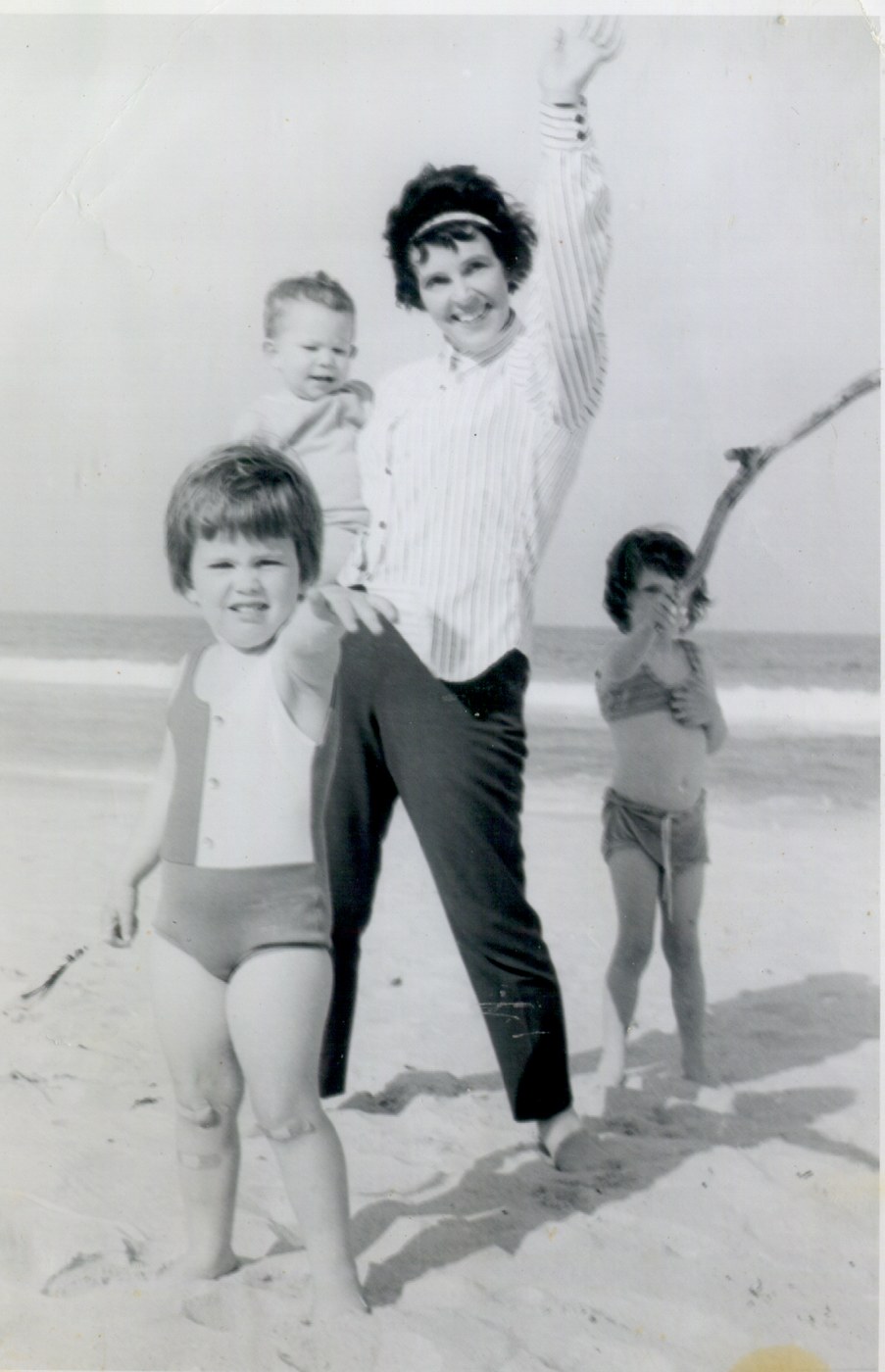 Original
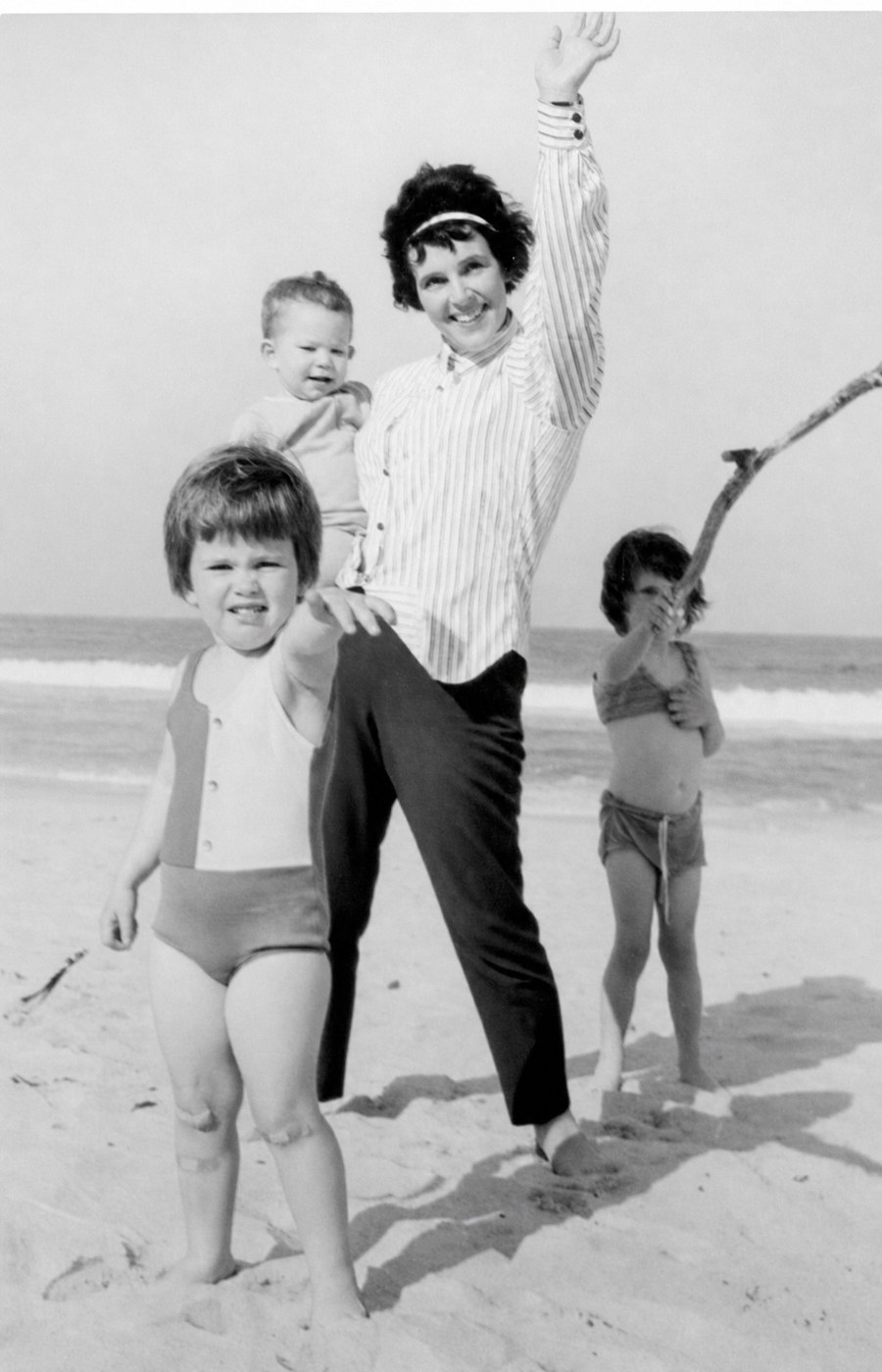 Restored
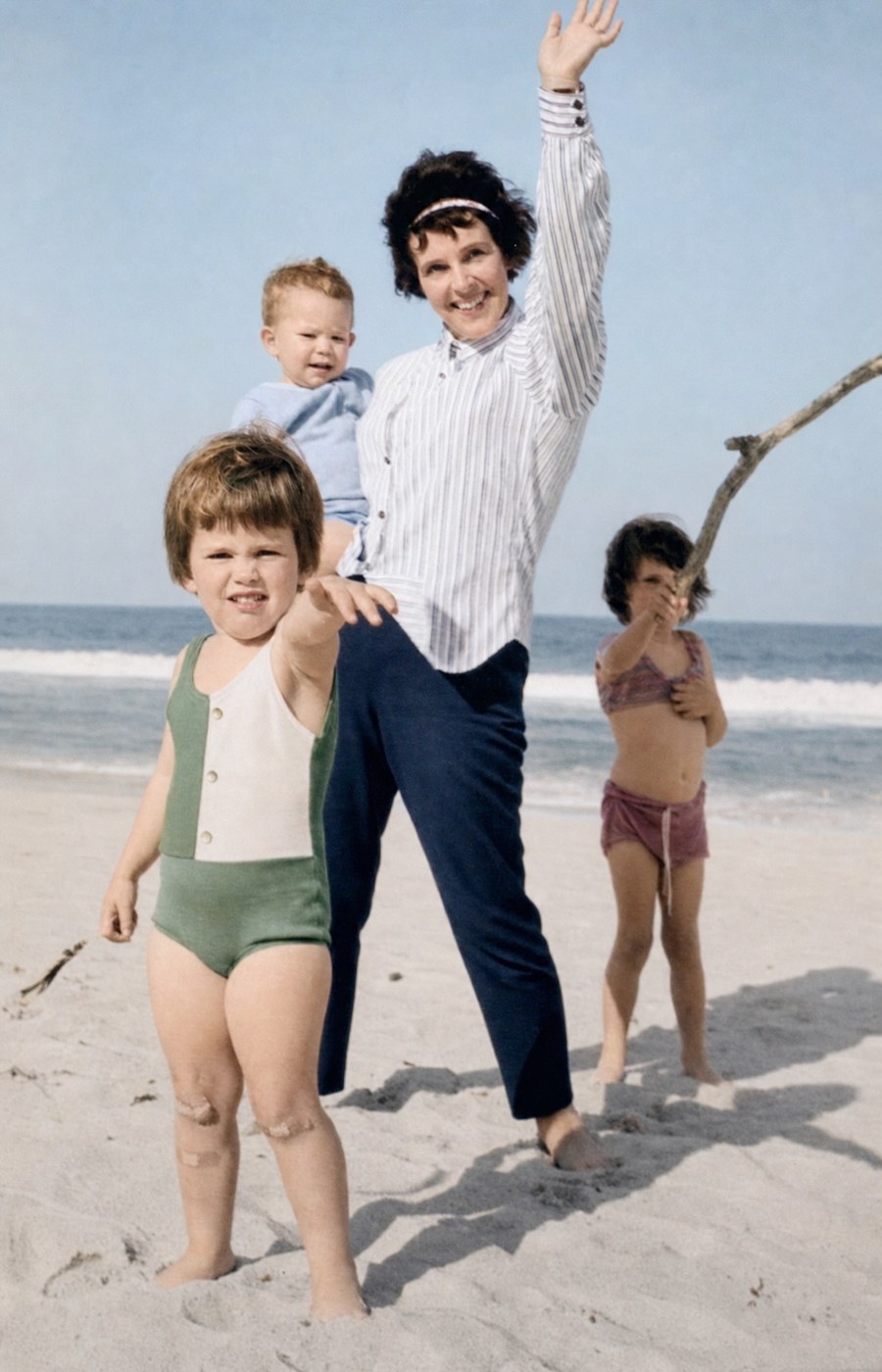 Restored & Colourised
Genealogy restoration is different
A genealogy researcher wants the opposite of what an Instagram filter wants. Authentic period feel, preserved studio imprints, intact mounting cards, original sepia tones, and unmodified details (jewellery, clothing, regimental insignia) are all features, not bugs. Our restoration preserves all of this while removing the actual damage — fading, foxing, surface scratches, and water marks.
For very old photographs (Victorian cabinet cards, tintypes, ambrotypes) use Conservative Restoration — the gentlest option, designed to repair damage without flattening the soft, slightly imperfect look that defines 19th-century photography.
Preserve, don't modernise
We do not retouch features that look like damage but are actually historical detail — embossed photographer logos, decorative card mounts, censorship stamps, hand-written annotations, and original sepia or albumen tones all stay. If you specifically want a "modern look" version of an ancestor photograph, run a second pass with Comprehensive Restoration and colourisation for a side-by-side comparison.
Frequently asked questions
You might also need
Complete the project
Restoration is usually step one. Here’s what most people do next.