Restore Victorian-era photographs
Cabinet cards, cartes de visite, tintypes, and ambrotypes from the 1880s–1900s suffer foxing, silvering, and emulsion crazing. Our AI repairs all of it while preserving the unmistakable look of the period.
From 10 credits ($1.00) per photo · 12-month validity
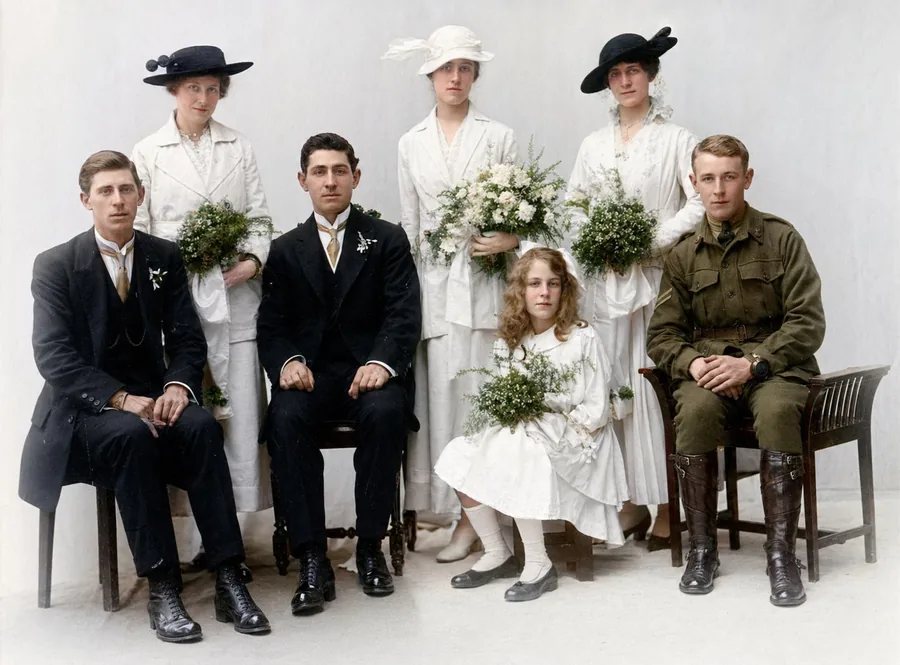
Victorian photographs are the oldest images most families own, and the most fragile. An albumen cabinet card from the 1890s has survived one hundred and thirty years of light, humidity and handling — and it shows. Our AI restoration was built with these early photographic processes in mind: it lifts the fog of age while keeping the sitter, the studio backdrop and the unmistakable character of the era intact. Upload a scan and see your ancestor clearly, often for the first time in generations.
How it works
From upload to download in three simple steps.
1. Upload
Upload a JPG, PNG or WebP up to 10 MB. The clearer the original scan, the better the result.
2. AI processes
Our AI analyses your photo and applies the appropriate model. Most jobs finish in under a minute.
3. Download
Compare before / after, then download the high-resolution result. Your originals are never used to train AI models.
See the difference
A faded family scan repaired and colourised by Photo Repair Lab — no slider tricks, just the real result.
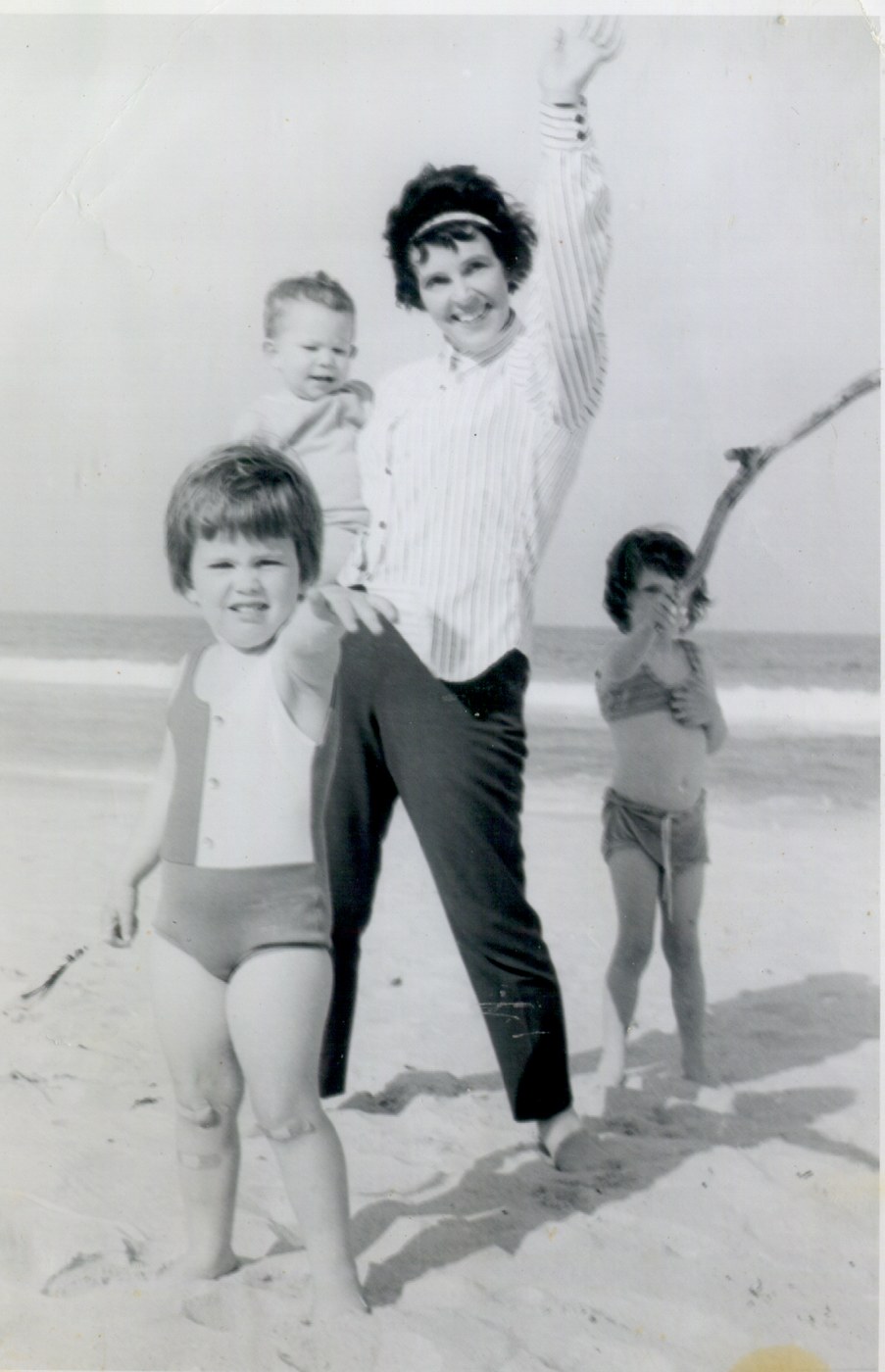 Original
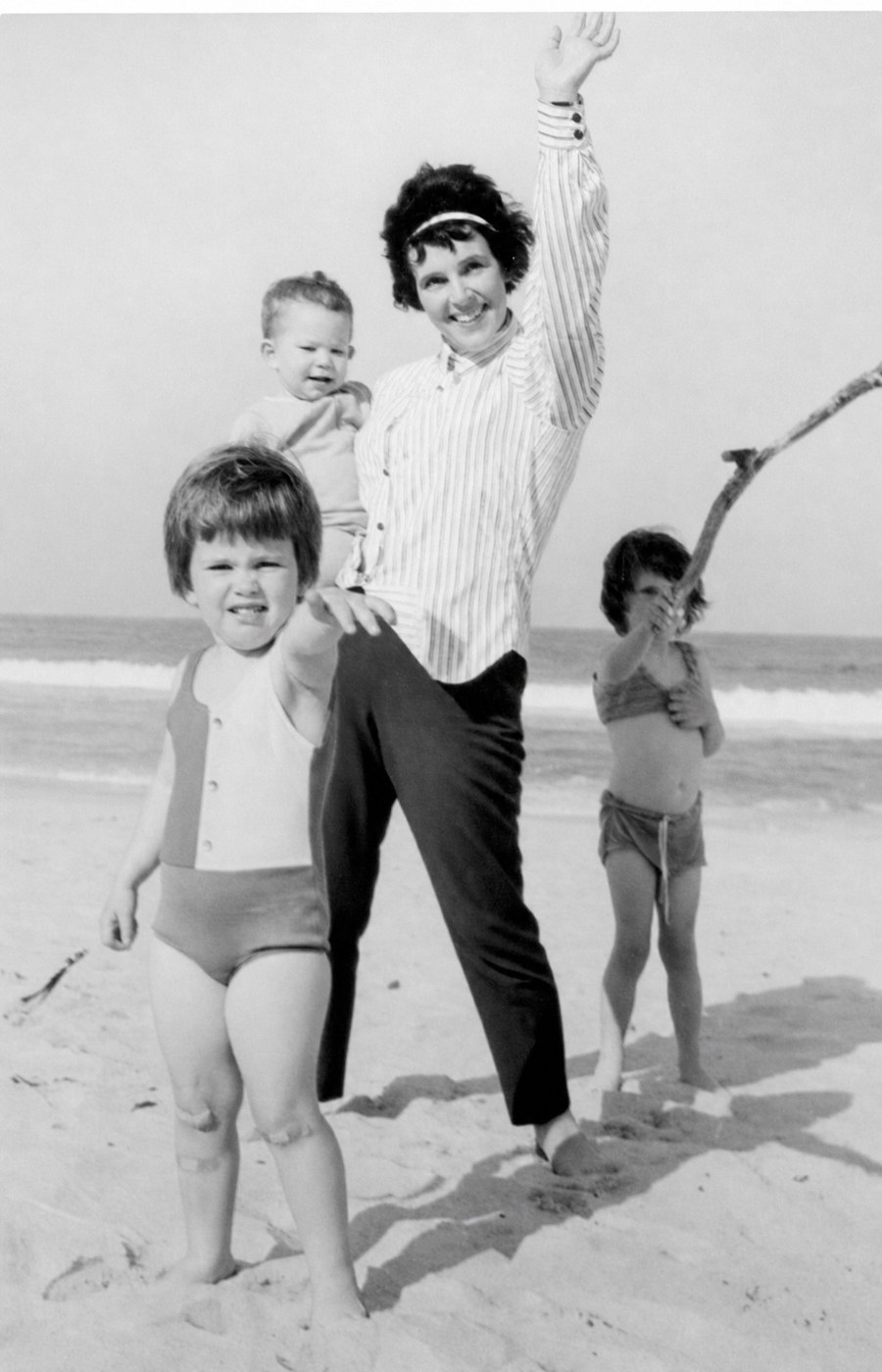 Restored
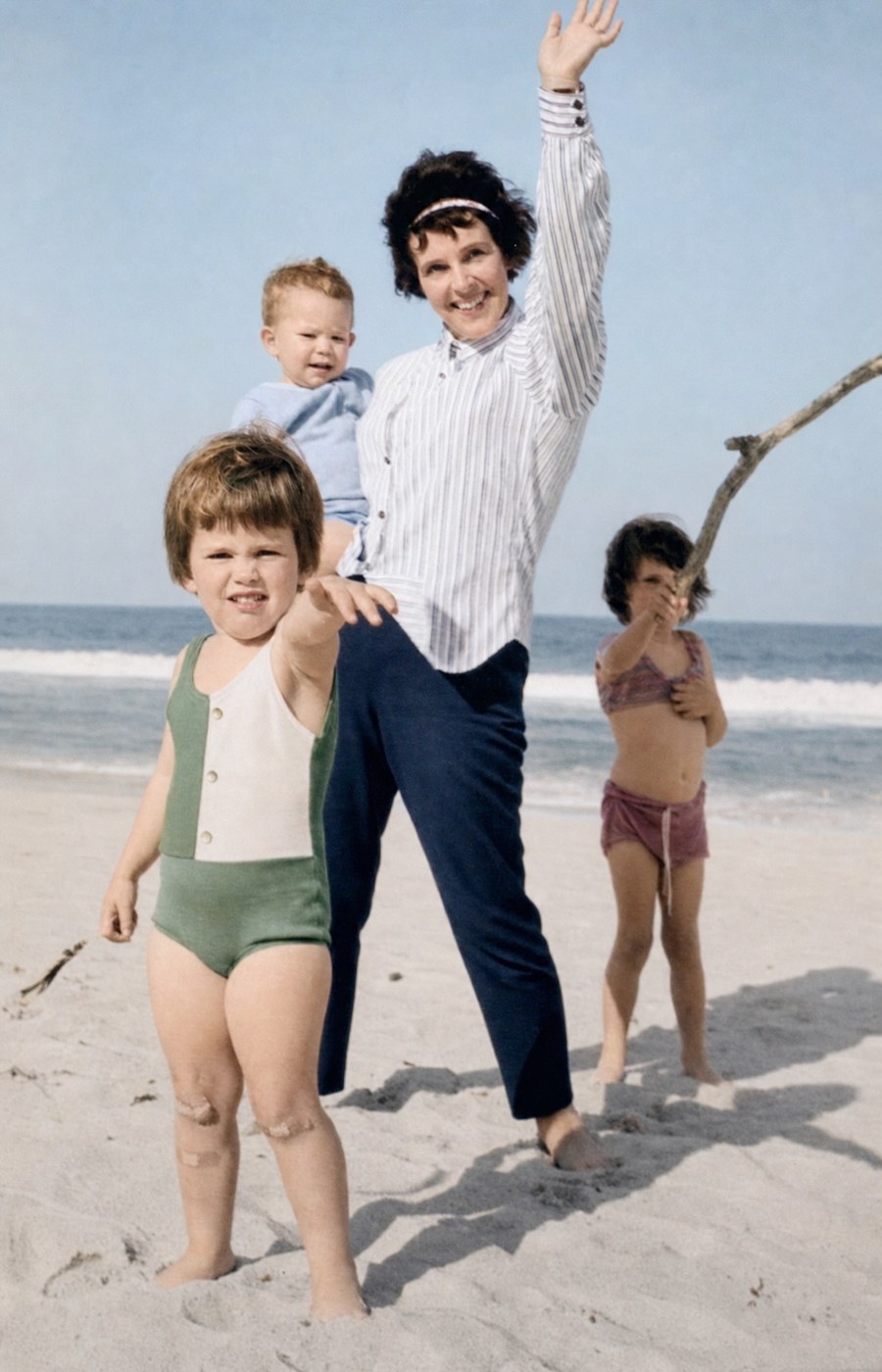 Restored & Colourised
Victorian photography needs specialist restoration
Photographs from the late 19th century were typically albumen prints, tintypes, or ambrotypes — chemistries that age very differently from modern silver-gelatin prints. They yellow unevenly, develop a silvery mirror finish in the highlights (a defect called "silvering"), and accumulate rust-coloured spots (foxing) from mould micro-colonies in the paper.
Standard photo editors treat all of this as "noise" and aggressively smooth it away — losing the sitter's skin texture, eyelashes, and the soft tonality that defines the era. Our AI restoration model is specifically trained on 19th-century photographic processes and corrects damage while preserving the period feel.
Common Victorian photo problems we fix
Silver mirroring in highlights, foxing spots, vinegar-syndrome warping, edge-curl, faded sepia tones, scratched emulsion from being kept in unsleeved albums, missing corners from album mounting, and brittle paper cracks. We can also colourise tintypes and cabinet cards through our Comprehensive Restoration option if you want to see your Victorian ancestors as they looked in life.
Frequently asked questions
You might also need
Complete the project
Restoration is usually step one. Here’s what most people do next.