Restore water-damaged photographs
Floods, leaks, basement humidity, and burst pipes destroy more photographs than fire. Our AI repairs tide marks, mould bloom, and emulsion lifting in under a minute.
From 10 credits ($1.00) per photo · 12-month validity
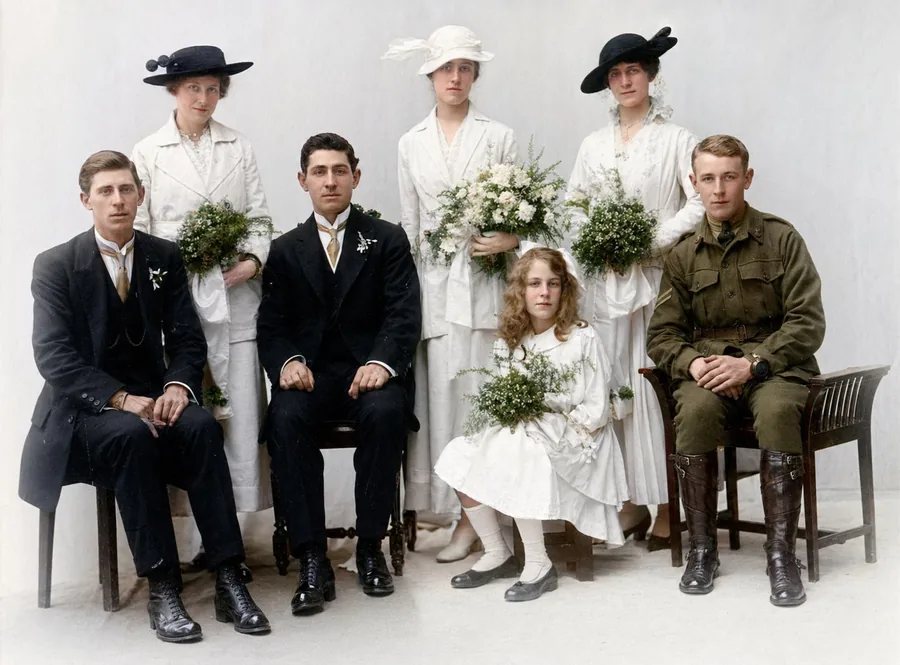
Water is the fastest destroyer of photographs — a burst pipe, a flooded garage or one damp winter in storage can leave prints stuck together, stained with tide marks and blooming with mould. The good news: even badly water-damaged photos usually retain enough of the image for AI restoration to rebuild what the water took. Scan what survives, upload it, and let the model repair staining, emulsion loss and colour bleed in about a minute.
How it works
From upload to download in three simple steps.
1. Upload
Upload a JPG, PNG or WebP up to 10 MB. The clearer the original scan, the better the result.
2. AI processes
Our AI analyses your photo and applies the appropriate model. Most jobs finish in under a minute.
3. Download
Compare before / after, then download the high-resolution result. Your originals are never used to train AI models.
See the difference
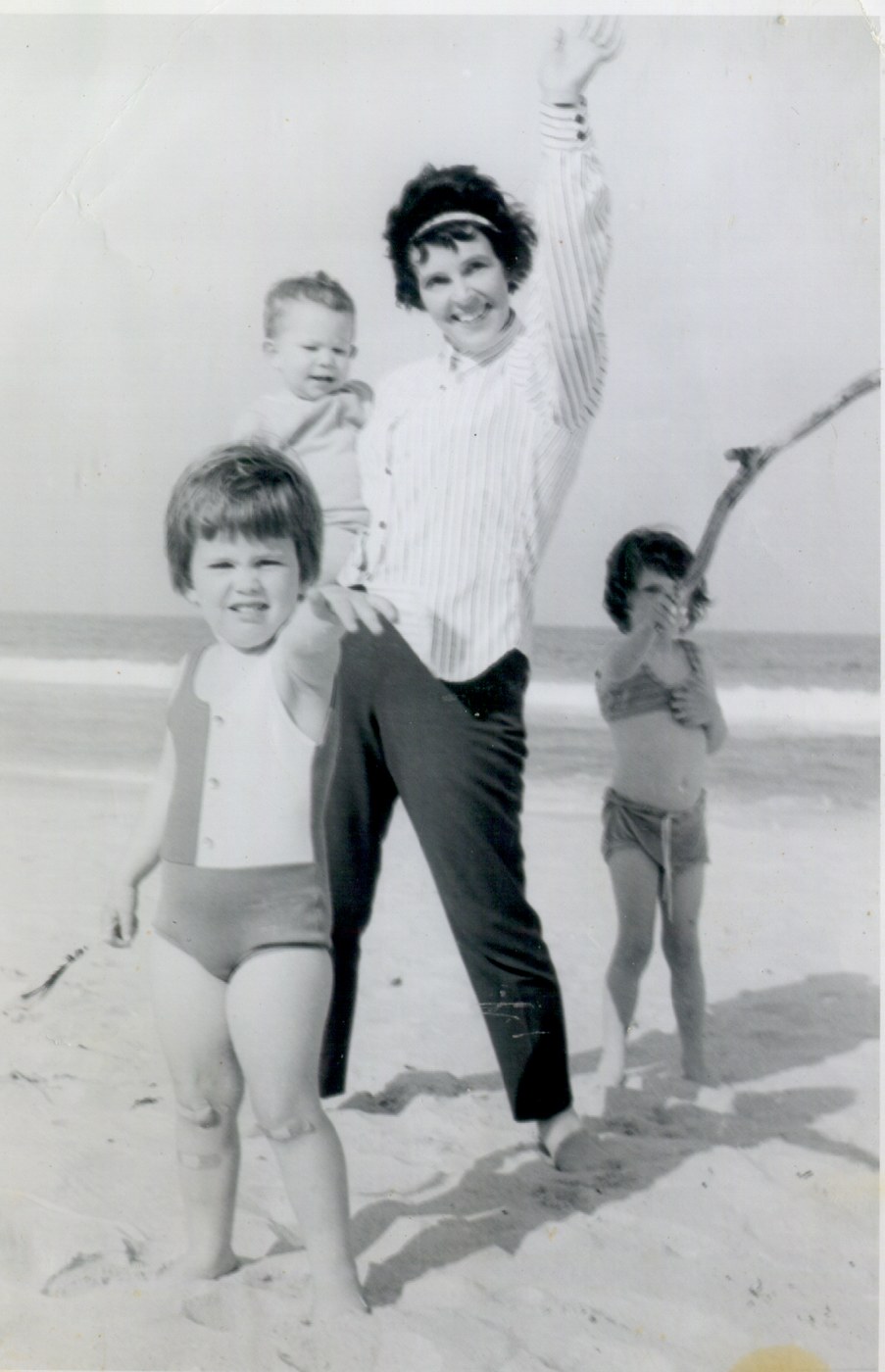
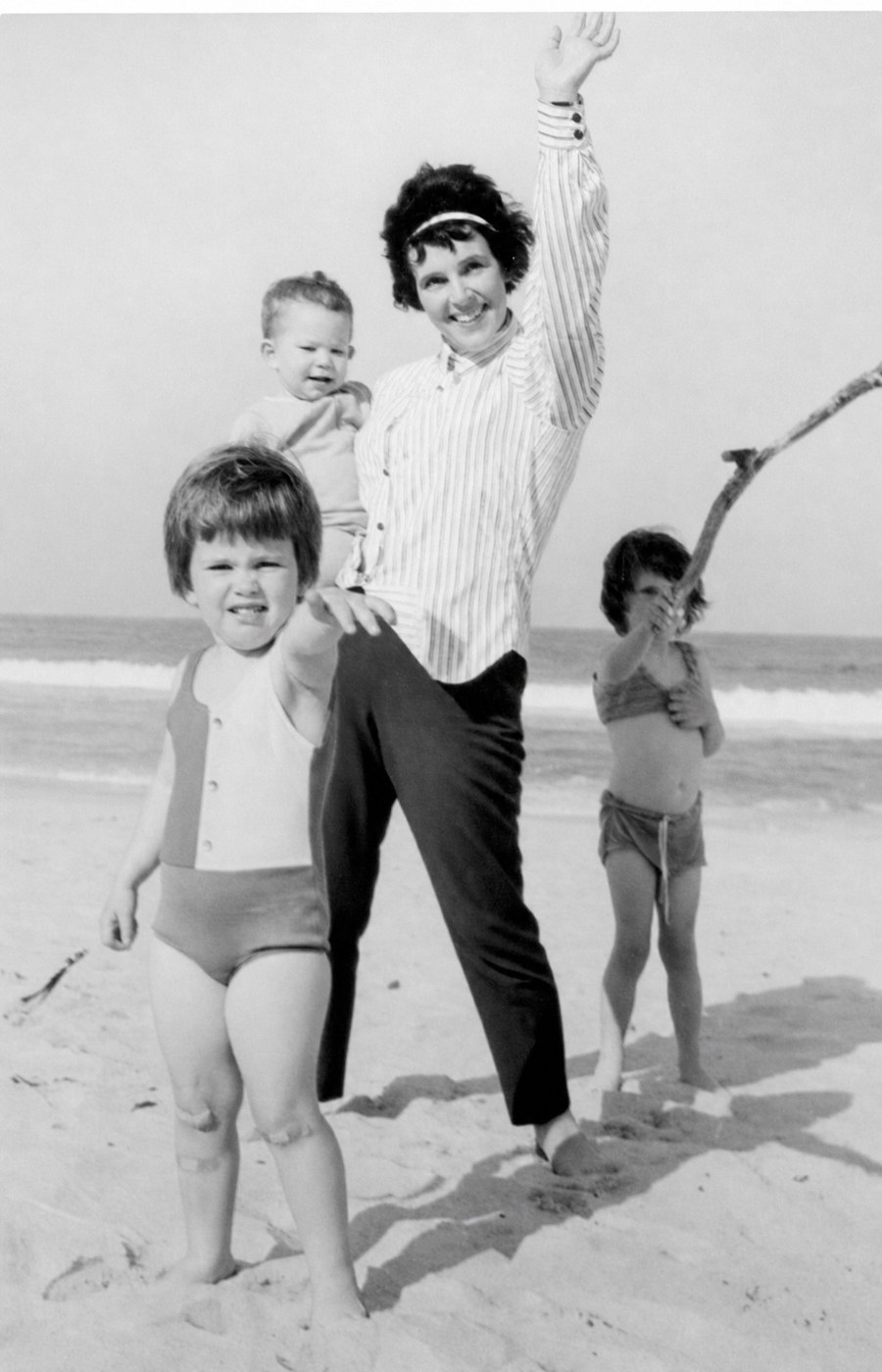
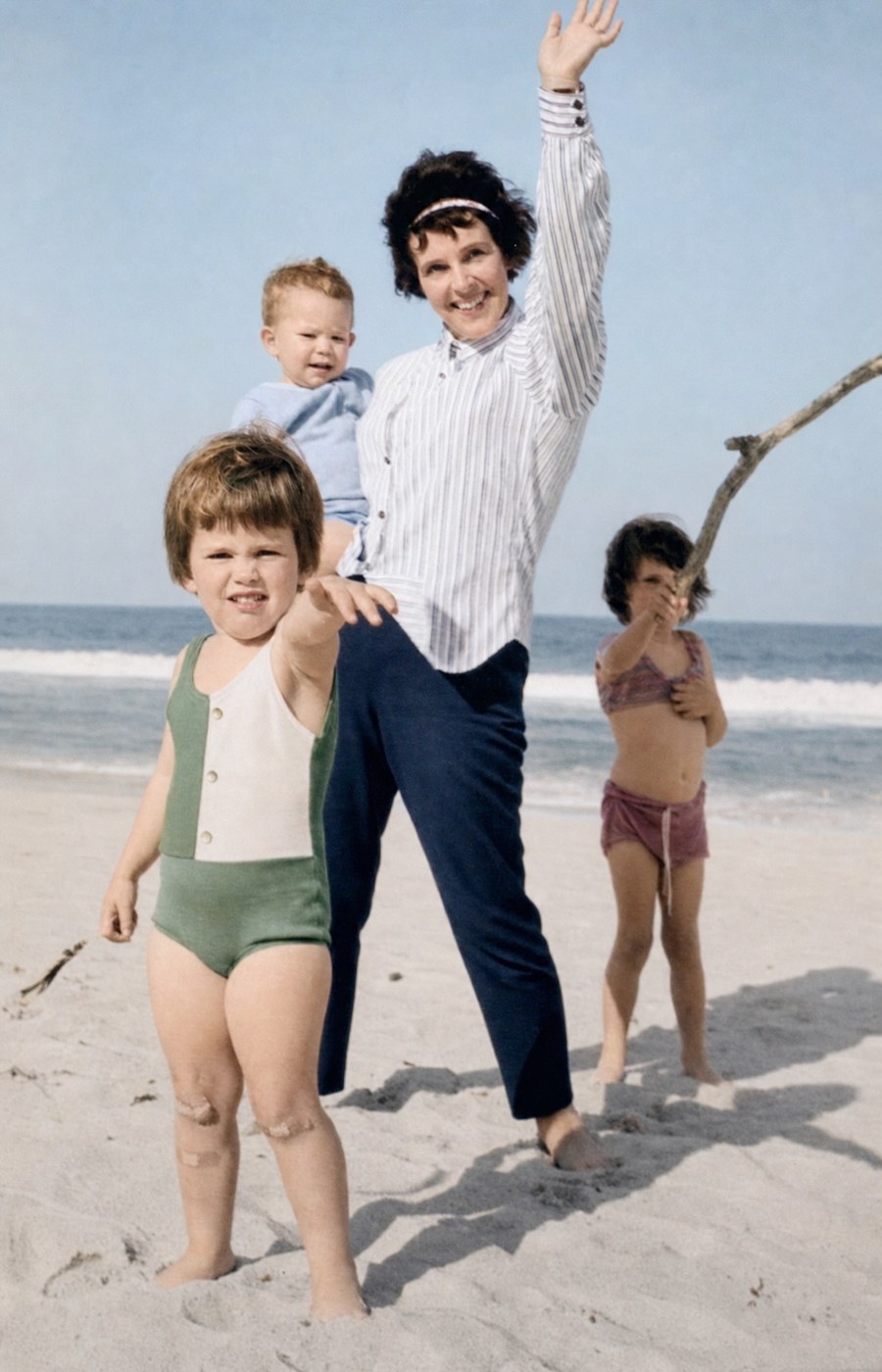
A faded family scan repaired and colourised by Photo Repair Lab — no slider tricks, just the real result.
 Original
 Restored
 Restored & Colourised
Water damage has a signature look — and a specific fix
Water-damaged photographs share a recognisable set of patterns: brown or yellow tide marks where the water line sat for hours or days, mottled mould bloom that looks like pink, green, or black spotting, lifted emulsion that has separated from the paper base, and a general softness from the print swelling and re-drying. Our AI is trained on thousands of water-damaged photographs and recognises all of these patterns.
The most important first step is to scan or photograph the damage carefully and stop further deterioration. Do not try to "iron" a curled water-damaged photograph — you will crack the emulsion. Scan it as-is and let the AI do the repair work digitally.
When water damage is too severe for AI alone
If the emulsion has flaked away and a large area of the photograph is physically missing, AI can reconstruct context-appropriate detail but cannot recreate specific features (faces, text, faces of pets) that no longer exist. For these cases, a professional conservator may need to physically stabilise the photograph before AI restoration. Email us a scan if you are unsure — we will give an honest assessment of what is recoverable.
Frequently asked questions
You might also need
Complete the project
Restoration is usually step one. Here’s what most people do next.